Introduction
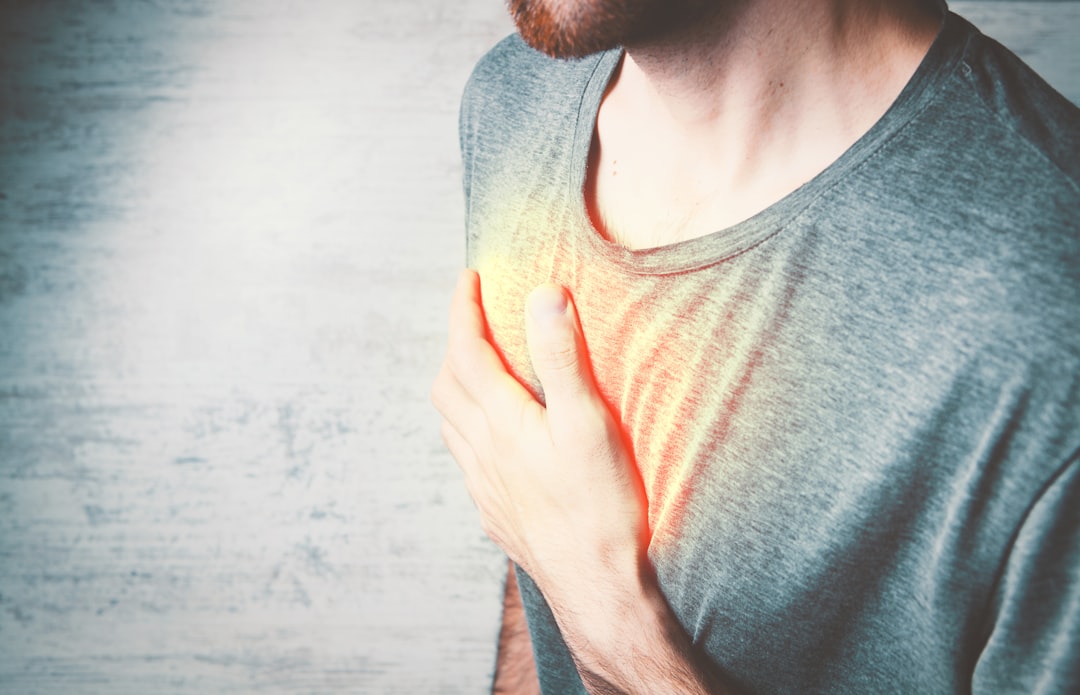
Chest tightness and difficulty breathing are experiences that concern many adults, especially those over 40. These sensations can range from mild discomfort to alarming episodes that leave you wondering whether you need immediate medical care. The challenge is that both symptoms have multiple potential causes — some serious, others routine — making it difficult to know when worry is warranted and when simple lifestyle adjustments might help. Understanding what triggers chest tightness and difficulty breathing is the first step toward addressing the root cause rather than simply managing symptoms. This article will walk you through the most common reasons these symptoms occur, how to recognize warning signs that demand medical attention, and what practical steps you can take at home. Whether your symptoms are occasional or more frequent, having solid information empowers you to make better decisions about your health.
Common Causes of Chest Tightness and Breathing Difficulty
When exploring what causes chest tightness and difficulty breathing, it's essential to recognize that the list of potential culprits is long and varied. Anxiety and panic attacks are among the most frequent non-cardiac causes, particularly in adults experiencing high stress or life transitions. During a panic attack, the body's fight-or-flight response triggers shallow breathing and chest muscle tension, creating a sensation that can feel dangerously similar to a heart attack. Muscle strain from poor posture, repetitive activities, or sudden exertion can cause localized chest tightness that worsens with movement or deep breathing.
Respiratory conditions represent another major category. Asthma, bronchitis, and chronic obstructive pulmonary disease (COPD) all restrict airflow and create sensations of breathlessness. A 2022 study in the American Journal of Respiratory and Critical Care Medicine found that undiagnosed asthma affects approximately 5% of adults over 40. Acid reflux or gastroesophageal reflux disease (GERD) can mimic cardiac symptoms because the esophagus sits close to the heart, and stomach acid irritation sends confusing signals to the nervous system.
Cardiac-related causes — including angina, arrhythmias, or actual heart disease — must always be considered, particularly if you have risk factors like hypertension, high cholesterol, diabetes, or a family history of heart disease. Pulmonary embolism, a blood clot in the lungs, represents a medical emergency and typically presents with sudden onset shortness of breath and chest pain. Anemia, thyroid dysfunction, and certain nutritional deficiencies can also contribute to both symptoms by affecting oxygen-carrying capacity and energy metabolism throughout the body.
Recognizing the Signs and Symptoms
Understanding the specific characteristics of your symptoms helps differentiate between benign causes and situations requiring urgent evaluation. Anxiety-related chest tightness often feels like a band squeezing around the ribcage, accompanied by rapid heart rate, tingling in the fingers or lips, and a sense of impending doom. The symptoms typically build over several minutes, peak, and then gradually subside. Breathing may feel shallow or restricted, and you might notice yourself taking frequent deep breaths that don't feel satisfying.
Muscle-strain chest tightness usually worsens with specific movements — bending, twisting, or pressing on the affected area increases discomfort. This type of tightness tends to be localized rather than diffuse across the chest. Breathing difficulty associated with muscle strain typically improves with rest and gentle stretching rather than worsening with activity.
Cardiac-related chest tightness, by contrast, often radiates to the arm, jaw, or back and may be accompanied by sweating, nausea, or a sense of heaviness rather than sharp pain. Shortness of breath during cardiac events doesn't always improve with rest and may worsen with exertion. A 2020 analysis published in Circulation noted that women over 40 frequently report atypical presentations of cardiac symptoms, including fatigue, jaw pain, and breathing difficulty without classic chest pain.
Respiratory illness presents with difficulty breathing that worsens with activity or when lying flat. You might notice wheezing, a dry or wet cough, or the sensation that air isn't flowing freely through your airways. GERD-related symptoms typically occur after meals, worsen when lying down, and may improve with antacids. The key is tracking when symptoms appear, what makes them better or worse, and whether additional symptoms accompany the tightness and breathing difficulty.
How These Symptoms Impact Daily Life
Persistent chest tightness and difficulty breathing significantly alter quality of life, even when the underlying cause isn't immediately dangerous. Many adults over 40 report limiting physical activities due to fear or actual experience of symptom flare-ups. This avoidance creates a cycle: reduced activity leads to deconditioning, which makes even gentle exertion feel more difficult, which triggers more fear and further activity limitation.
Sleep quality often suffers when these symptoms occur at night. Lying flat can trigger or worsen both breathing difficulty and chest tightness for various reasons, depending on the underlying cause. Poor sleep then compounds fatigue, reduces stress resilience, and weakens immune function — all factors that make respiratory symptoms worse.
Social withdrawal frequently accompanies these symptoms. Adults worry about experiencing symptoms in public, during exercise classes, or while traveling. This social isolation contributes to depression and anxiety, which paradoxically can trigger the very symptoms people are trying to avoid. The emotional toll extends beyond inconvenience — chronic worry about symptoms activates the sympathetic nervous system, perpetuating the shallow breathing patterns and muscle tension that characterize both anxiety-induced and cardiac-related chest tightness.
Work productivity often declines when symptoms are frequent or unpredictable. Difficulty concentrating, frequent bathroom breaks to catch your breath, and the mental preoccupation with managing symptoms all reduce workplace effectiveness. Understanding this ripple effect underscores why addressing the root cause — rather than simply white-knuckling through the discomfort — matters for overall well-being.
Natural Approaches and Lifestyle Strategies
Before exploring supplements or medical interventions, several lifestyle modifications can meaningfully reduce chest tightness and difficulty breathing. Breathing exercises, particularly diaphragmatic breathing, train your nervous system to shift away from the shallow chest-breathing pattern that characterizes both anxiety and certain respiratory conditions. Research published in the Journal of Cardiopulmonary Rehabilitation and Prevention in 2019 demonstrated that just five minutes of daily diaphragmatic breathing practice reduced anxiety-related breathing symptoms within two weeks.
Posture deserves serious attention, especially for adults who spend hours at desks. Poor posture compresses the chest cavity, restricts diaphragmatic movement, and creates chronic muscle tension in the chest and shoulders. Correcting posture — shoulders back and down, chin parallel to the ground, spine neutral — immediately improves breathing mechanics. Gentle yoga or pilates classes specifically designed for posture correction offer structured ways to retrain movement patterns.
Regular moderate aerobic activity strengthens the heart and respiratory system while simultaneously reducing anxiety and improving sleep. Walking, swimming, and cycling all build cardiovascular fitness without excessive strain. The key is consistency and gradualness — abrupt increases in exercise intensity can trigger symptoms in people with underlying anxiety or cardiac conditions.
Stress management becomes non-negotiable when chest tightness and difficulty breathing are part of your experience. Meditation, progressive muscle relaxation, and time in nature all activate the parasympathetic nervous system, the body's natural calming mechanism. This is why many adults turn to targeted nerve support formulas — one such option combines key nutrients known to support respiratory function and nervous system health — though lifestyle approaches should remain your foundation.
Sleep hygiene improvements also help. Sleeping with an extra pillow to keep your chest elevated, avoiding heavy meals close to bedtime, and maintaining a cool, dark sleep environment all reduce nighttime breathing difficulty and associated anxiety. Limiting caffeine and alcohol, both of which can trigger or worsen symptoms, provides additional benefit.
Nutritional Factors and Dietary Considerations
Certain nutrients play crucial roles in maintaining healthy lung function and nervous system balance, both relevant to chest tightness and difficulty breathing. B vitamins — particularly B6, B12, and folate — support nervous system function and help regulate the stress response. A 2021 study in Nutrients found that adults with suboptimal B-vitamin status reported higher rates of anxiety-related breathing symptoms. Dietary sources include leafy greens, eggs, fish, and legumes, though some adults over 40 have reduced absorption capacity and may benefit from supplementation.
Magnesium helps relax muscles and modulate nervous system activity. This mineral is frequently deficient in modern diets, and deficiency is associated with increased anxiety, muscle tension, and irregular heartbeat. Foods rich in magnesium include pumpkin seeds, almonds, spinach, and black beans. A 2018 meta-analysis in Nutrients concluded that magnesium supplementation reduced anxiety symptoms in adults with mild to moderate anxiety.
Antioxidants like vitamins C and E protect lung tissue from oxidative stress, which becomes increasingly important for older adults and those with respiratory conditions. Colorful fruits and vegetables — berries, citrus, bell peppers, and leafy greens — provide these antioxidants along with fiber and other beneficial compounds. Omega-3 fatty acids from fish, flax seeds, and walnuts support cardiovascular and respiratory health through their anti-inflammatory effects.
Sodium intake deserves attention if you have underlying cardiac concerns or hypertension, as excess sodium contributes to fluid retention and increased blood pressure. Reducing processed foods and cooking at home allows you to control sodium while emphasizing whole foods that support respiratory and nervous system function. Staying adequately hydrated keeps mucous membranes healthy and helps prevent the dry cough that can trigger chest tightness in some people.
Frequently Asked Questions
When should I seek immediate medical attention for chest tightness and difficulty breathing?
Seek emergency care immediately if you experience sudden severe chest pain, shortness of breath that occurs at rest, pain radiating to your arm or jaw, sweating, nausea, or a sensation of impending doom. If you have risk factors for heart disease and are experiencing new or worsening symptoms, don't wait — call emergency services. When in doubt, it's always better to be evaluated by medical professionals than to assume symptoms are benign.
Can anxiety alone cause real, measurable breathing difficulty?
Absolutely. During anxiety or panic attacks, the body's stress response triggers rapid, shallow breathing that genuinely reduces oxygen intake and disrupts blood pH balance. This creates a cycle: anxiety causes shallow breathing, which creates a sense of not getting enough air, which increases anxiety further. The symptoms are real and measurable, even though the underlying trigger is psychological rather than physical disease.
How long does it typically take to see improvement with lifestyle changes?
Changes in stress response and breathing patterns can show improvement within days to weeks with consistent practice. Cardiovascular fitness improvements typically require 4-8 weeks of regular activity. Dietary changes and nutritional status shifts may take 6-12 weeks to produce noticeable effects. The key is consistency and patience — sustainable improvements come from sustained habit changes rather than quick fixes.
Taking the Next Step
Experiencing persistent chest tightness and difficulty breathing is frustrating and often anxiety-provoking, especially when basic lifestyle changes haven't fully resolved your symptoms. Many adults discover that comprehensive approaches — combining lifestyle modifications with targeted nutritional support — offer the best results. Explore BreathEaseX's formula and the science behind its key ingredients to see if this supplement approach aligns with your health journey.